When legacy equipment breaks down and an emergency replacement is needed, soliciting OEM proposals is the first step. However, overall cost and delivery time are key factors in determining the optimal solution.
This case study shows how a leading healthcare institution prevented a catastrophic shutdown and achieved 36% savings over a bid from the equipment manufacturer (OEM).
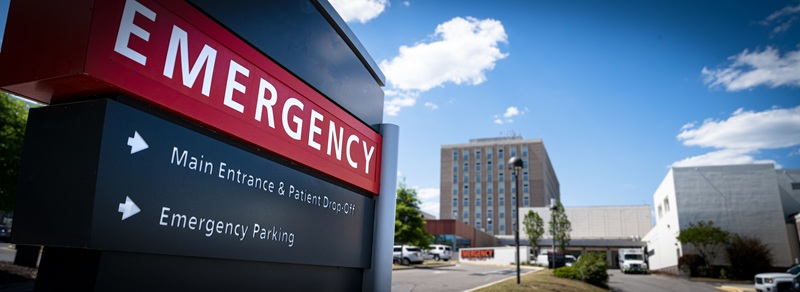

• A routine winter preventive maintenance check on chiller plant equipment revealed that the controls and frequency drive were not working and needed replacement.
• The equipment was obsolete and no longer supported by the OEM, which submitted a replacement estimate of $150,000.
• The manufacturer estimated a six-to eight-month lead time due to supply chain delays, without a guaranteed delivery date.
• The second backup chiller was undersized and would not handle the full cooling load.
• As a result, the hospital was in dire straits to get the chiller fixed and running before the cooling season. Failure to do so could result in the need to reschedule or reroute surgeries and relocate patients when outside temperatures reach 80 degrees or higher.
• PremiStar’s senior sales engineer, Chuck Caporale, had developed close ties with the hospital’s facilities management team over a 20-year relationship. In March, he quickly sprang into action.
• Chuck and his team identified an alternative solution for removing the OEM controls and retrofitting the chiller with a custom solution from a manufacturer in Florida. Unfortunately, four weeks after the order was placed, the vendor could not source the frequency drive in time, and the order was canceled.
• With the clock running, PremiStar found an alternative supplier for the frequency drive in Montana and got the machine completely retrofitted and up and running for the hospital ahead of the cooling season.

• The final solution, delivered in six weeks instead of the uncertain six-to-eight month delivery time by the OEM, enabled the hospital to avoid putting patients at risk.
• The total cost was 36% less expensive than the OEM estimate.
• PremiStar teams take great pride in partnering with customers to build long-term relationships by delivering responsive service and cost-effective solutions.