PremiStar’s relationship with a leading general contractor (GC) in Wisconsin spans over a decade. An enduring, trusted partnership has evolved through the successful completion of mechanical, electrical, and plumbing projects for customers across industry sectors.
This case study illustrates the importance of collaboration and value engineering (VE) in controlling costs and responding to supply chain disruptions on a plant expansion project for an industry-leading packaging manufacturer.
.
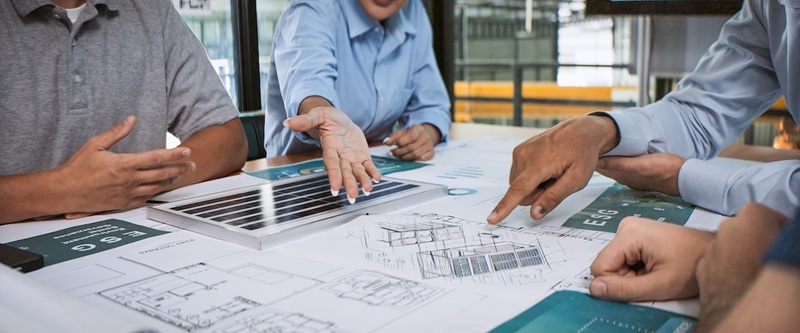
• In 2021, when a leading packaging manufacturer took over a 165,000-sq. ft. facility to meet growing demand across the US market, they required extensive facility construction and rehabilitation and infrastructure to support investments in new plastic extrusion, molding, and printing technologies.
• PremiStar partnered with the GC by providing HVAC, plumbing, design/build, and installation services for this state-of-the-art plant, which is now operational.
• Two years after the new facility was completed, the packaging manufacturer needed to expand its footprint by adding new equipment and lines to meet their steadily increasing demand.
• Working from the customer’s architectural plans and manufacturing requirements, PremiStar produced detailed drawings, associated costs, and schedules. These were iteratively reviewed, revised, and updated over eight weeks to finalize the project’s scope, design, and costs.

• In the final stages of the scoping process, delays occurred in the shipment of equipment manufactured in Germany and tariff-related cost increases.
• This led the PremiStar team to revisit the project specifications and investigate options for reducing the project’s overall cost.
With his team, Amir Beshiri, PremiStar’s plumbing department manager, devised a solution that saved more than $100,000 on the project:
• The original building design had four different levels, from 40 feet to 135 feet tall, and each level required storm roof drains piped in and connected to the system.
• PremiStar’s solution replaced the roof drains for each of the tall sections of the building with a heavy-duty gutter and downspout system, transporting all this water into the lower roof.
• The savings in piping costs meant that the customer got the building they wanted without any operational sacrifices, so this was immediately approved. The solution could also be used for future expansion.